Introduction
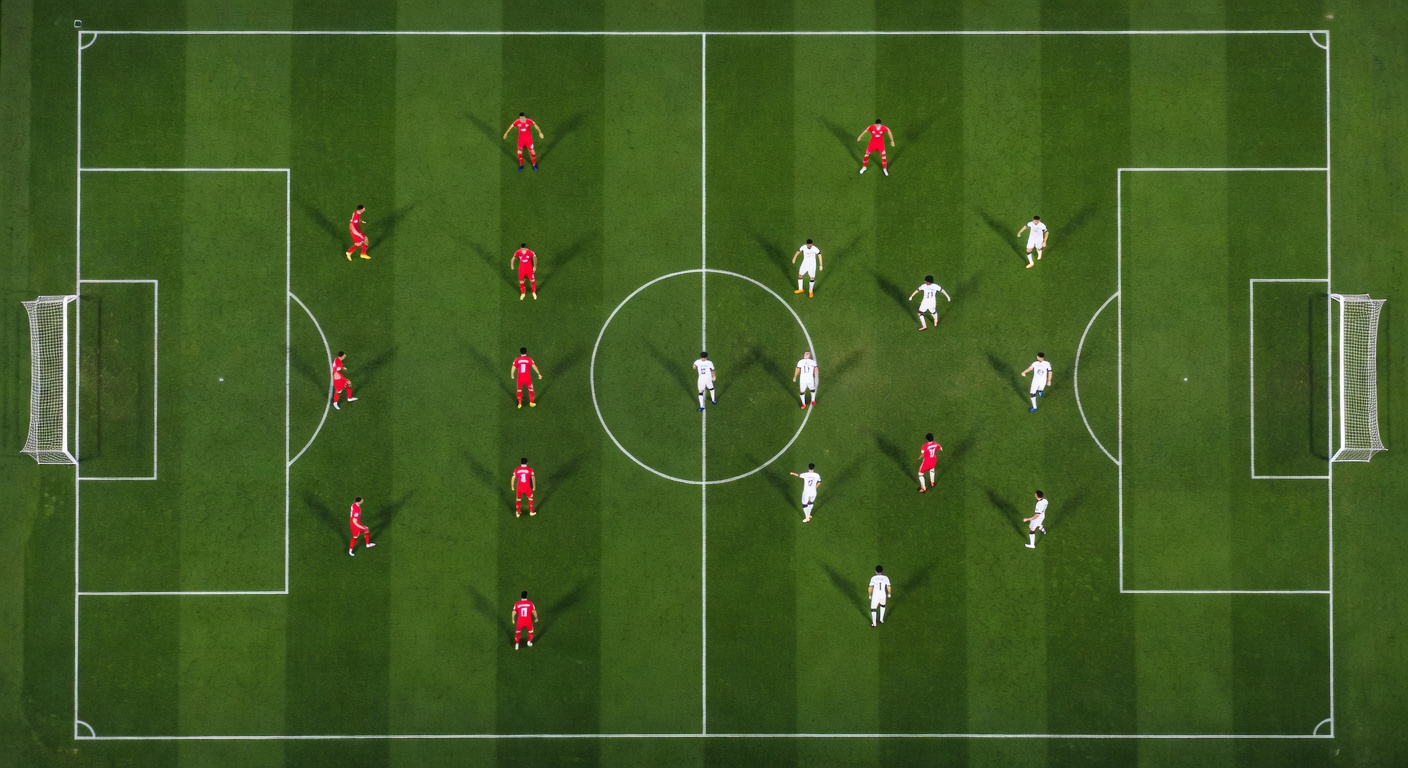
International football has always lagged a step behind club football tactically — national team coaches have less time with their players, less opportunity to instill complex systems, and less room for error when tournaments arrive. Yet the 2026 World Cup will showcase an international game that has absorbed club tactical innovations at an unprecedented rate. The result is a tournament that will be defined as much by tactical sophistication as individual brilliance.
Here are the four tactical themes that will shape World Cup 2026.
1. The Death of Fixed Formations
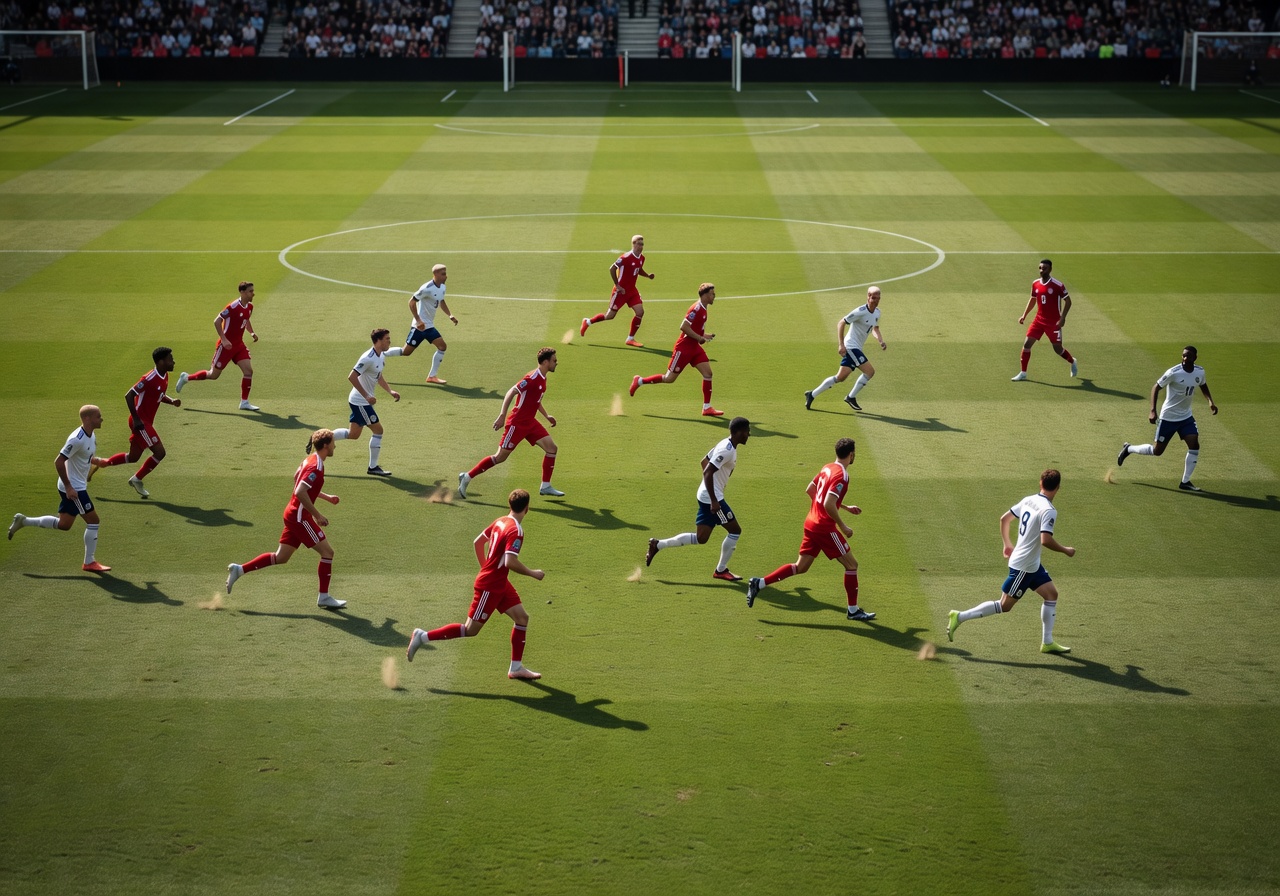
Describing a modern national team by a single formation — "France play 4-3-3" — is outdated. Top sides at the 2026 World Cup will routinely shift between two, three, or even four different shapes within a single match. The most striking example will likely be France: their in-possession 3-2-4-1 with an inverted left-back contrasts with a traditional 4-4-2 mid-block when out of possession.
Spain, England, and Germany all practice similar tactical fluidity. This demands a new level of football intelligence from players — understanding not just their starting position but the multiple positions they occupy based on ball location, possession phase, and opponent structure. It also widens the gap between tactically prepared sides and those relying on individual quality alone.
2. Counter-Pressing Goes International
Counter-pressing — the act of immediately pressing the opposition after losing possession — was once a club-football specialty. The German, Dutch, Spanish, and English national teams have now fully absorbed the principle. The best teams at the 2026 World Cup will recover the ball within 5 seconds of losing it over 40% of the time.
What makes this tactically significant in tournament football is the compression of space it creates in the opponent's half. When a counter-press succeeds, the defending team is caught committing bodies forward, and the turnover leads directly to high-quality chances. Expect several World Cup goals — and potentially decisive moments — to originate from successful counter-presses. Germany under Nagelsmann will be particularly dangerous in this regard.
3. Set Pieces: The Great Equaliser
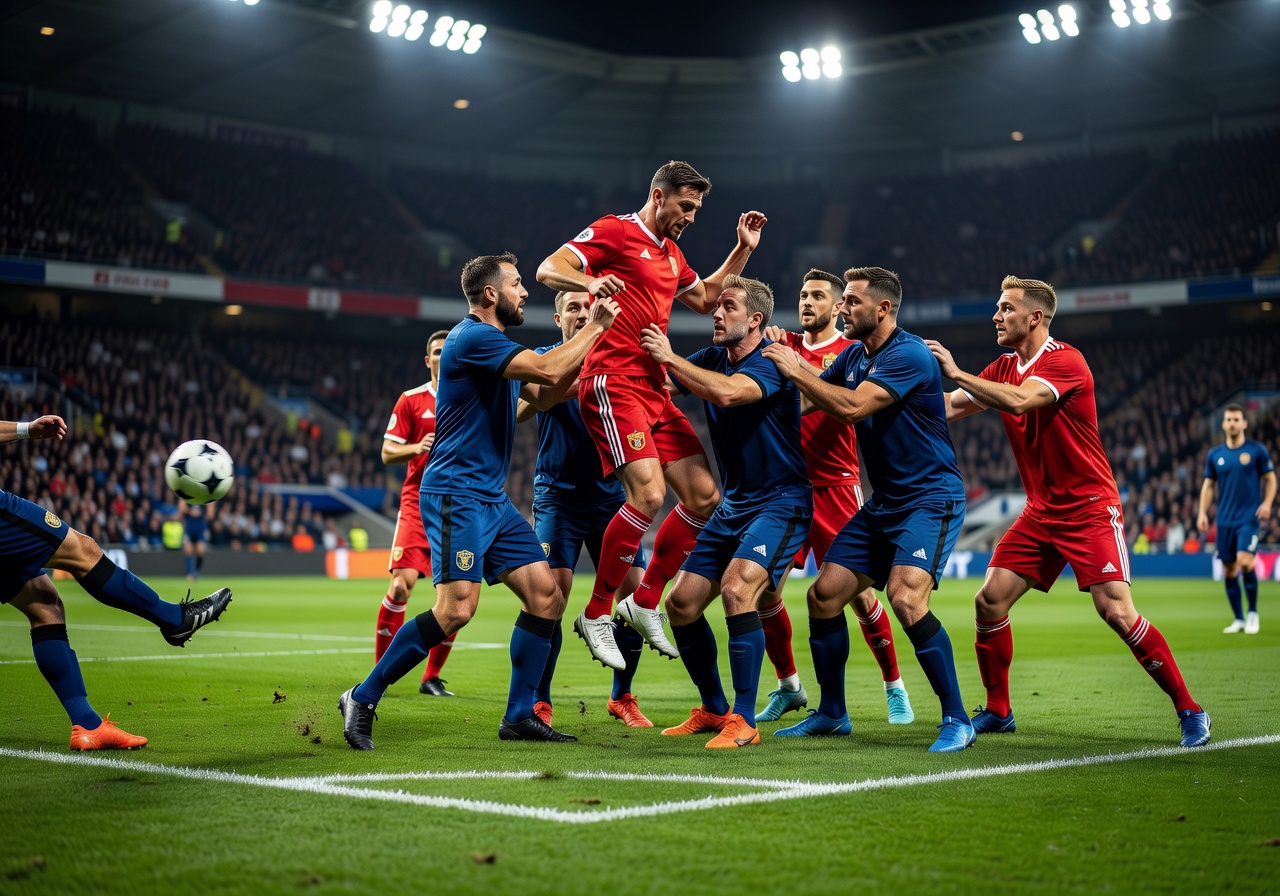
Set pieces have become the single most important tactical battleground in knockout football. At recent World Cups, approximately 30% of goals have come from set-piece situations — and that figure is rising. Why? Because open-play defences have become so well-organised that creating clear chances from open play against an elite opponent is increasingly difficult.
Set pieces offer an alternative route. England, Argentina, and the Netherlands are among the tournament's most sophisticated set-piece operators. Dedicated set-piece coaches are now standard at international level. Data-driven routine design, blocking runs, decoy movements, and varied delivery angles create scoring opportunities against even the most disciplined defences.
In tight knockout matches — where a single goal can decide everything — set-piece excellence can be the difference between lifting the trophy and a quarter-final exit.
4. The Goalkeeper as Playmaker
The modern international goalkeeper is no longer just a shot-stopper. At the 2026 World Cup, elite keepers will function as an additional outfield player in build-up phases. Brazil's Alisson, Argentina's Emi Martínez, Spain's Simón, and Germany's Neuer (or successor) all demonstrate the ability to play as deep playmakers — receiving under pressure, switching play with long-range distribution, and creating attacking transitions with a single pass.
This tactical evolution has knockout-round consequences. When an elite keeper can bypass the opposition's press with accurate long-range distribution, the high press becomes strategically risky. Opponents are forced to drop their pressing line, giving the goalkeeper's team time and space to build up. In tight tournament matches, this subtle advantage can prove decisive.
Conclusion: Tactics Win Knockout Football
At a World Cup, individual brilliance wins moments. Tactical sophistication wins tournaments. The 2026 World Cup will be the most tactically advanced international tournament in history — and the team that combines elite individual quality with genuine tactical excellence will lift the trophy at MetLife Stadium.
France possess both. Argentina, Brazil, England, Germany, and Spain all have legitimate claims to the same combination. The margins in New Jersey on July 19 will be small. Tactics will decide them.