Introduction
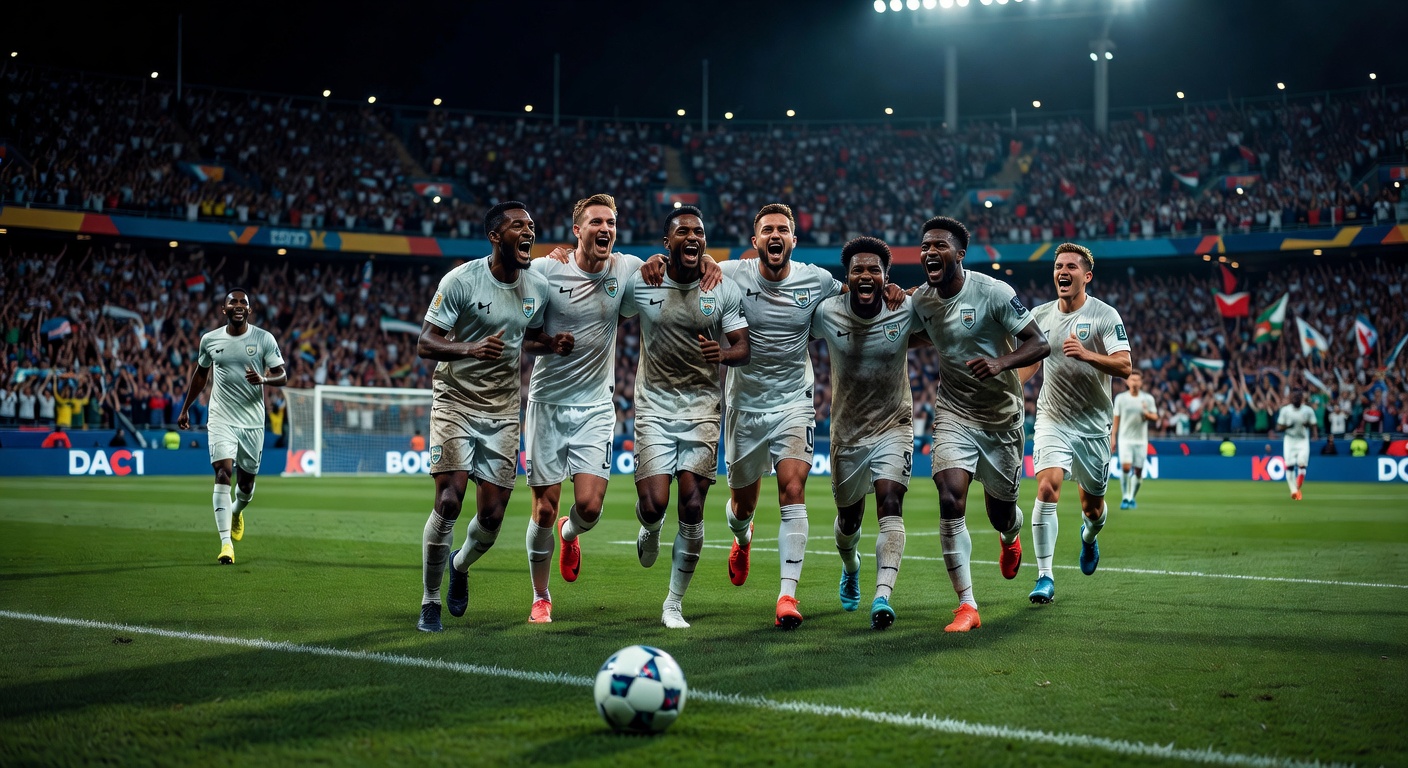
Every World Cup is remembered as much for its surprises as its eventual champion. Cameroon 1990, South Korea 2002, Croatia 2018, Morocco 2022 — the tournament's soul lies in moments when the expected order shatters. The 2026 World Cup, with its expanded 48-team field and Round of 32, creates more opportunities than ever for knockout-stage heroics from unexpected sources.
In this analysis, we profile six dark horse nations with the squad quality, tactical identity, and tournament context to potentially derail the favourites.
🇯🇵 Japan: No Longer a Surprise
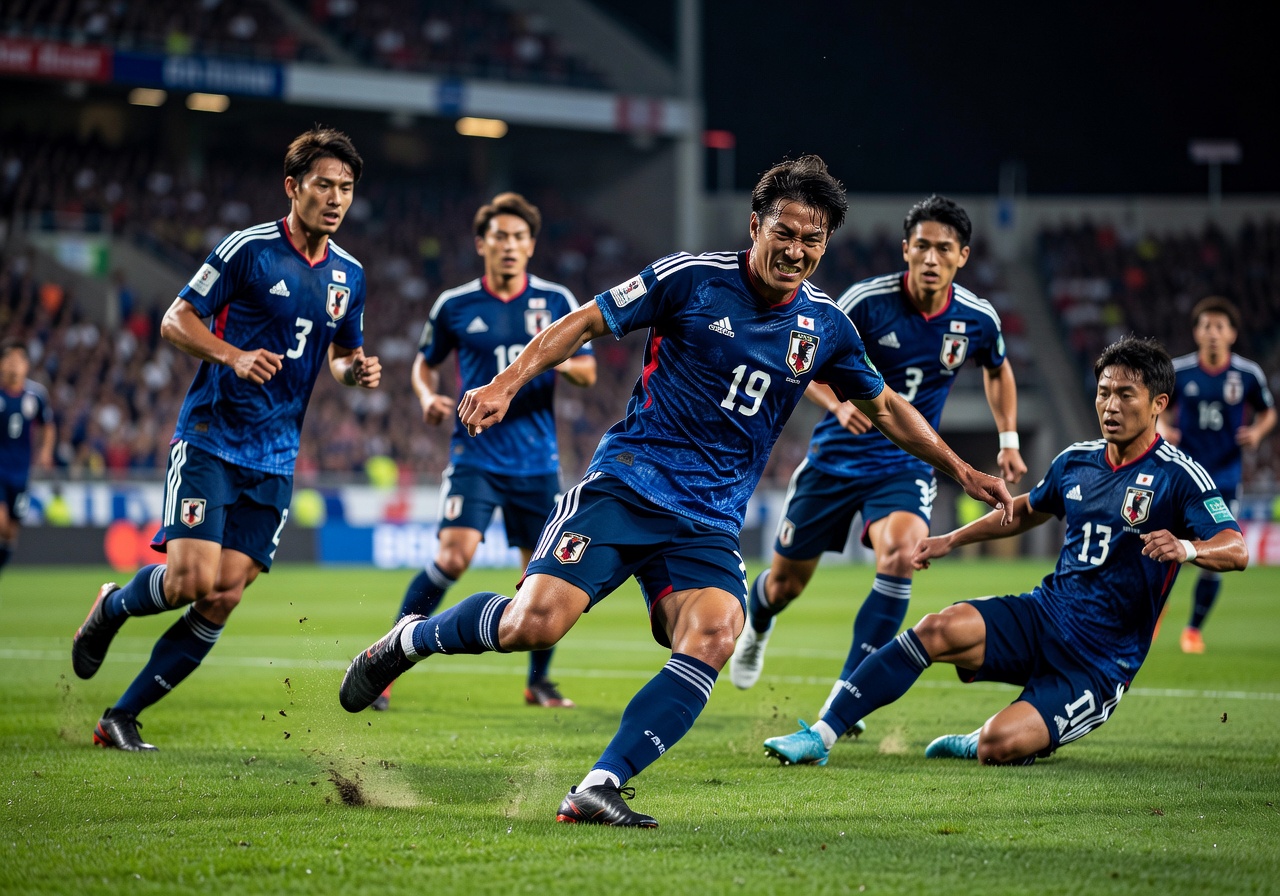
Japan are the most advanced "dark horse" in world football. Their squad is stacked with players from Europe's top leagues — Kubo at Real Sociedad, Mitoma at Brighton, Endo at Liverpool, Kamada in Serie A. Their tactical sophistication under the current coaching setup is elite: high press, rapid vertical transitions, and a willingness to control matches through possession against lesser opposition.
The 2022 World Cup victories over Germany and Spain were no flukes. In 2026, Japan should be considered genuine quarter-final contenders, with a realistic path into the semi-finals if the draw is kind. The only question is whether they can finally overcome their tendency to exit knockout rounds on narrow margins — a psychological hurdle rather than a tactical one.
🇲🇦 Morocco: The New African Standard
The 2022 World Cup semi-finalists are no longer a surprise, but remain genuine contenders to repeat their historic run. Morocco's defensive structure is among the best in the world — compact, disciplined, and tactically intelligent. Achraf Hakimi is arguably the best attacking right-back on the planet. En-Nesyri and Ziyech provide creative and clinical quality.
Crucially, Morocco have built on 2022 rather than resting on it. Infrastructure, scouting, and player pipeline have all improved. Expect the Atlas Lions to reach at least the Round of 16 — and don't be shocked if they reach the last four again.
🇺🇸 United States: Home-Soil Factor
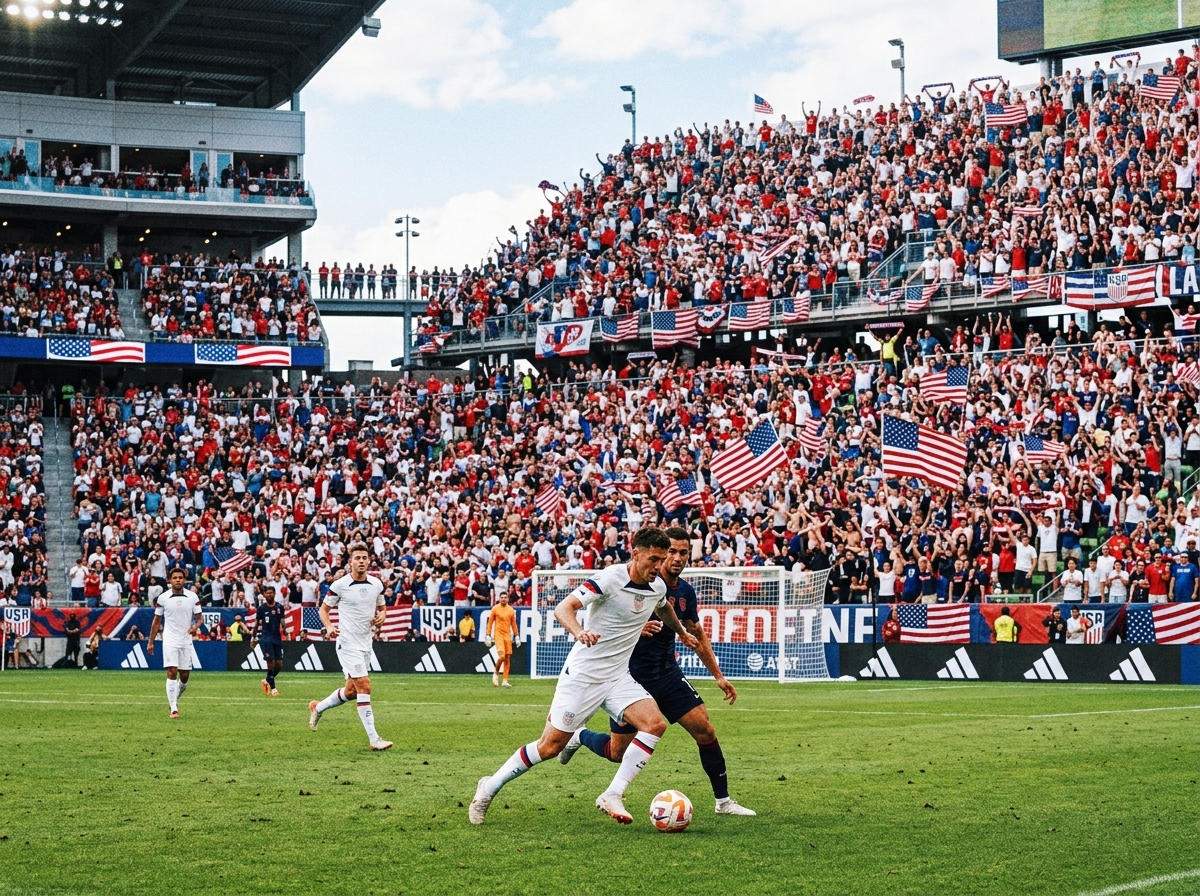
Host nations historically overperform. The 1966, 1974, 1978, 1998, and 2002 World Cups were all won by hosts or co-hosts. While the USMNT aren't winning this tournament, home advantage combined with a genuinely talented squad makes them serious threats to reach the quarter-finals — a milestone that would be historic for American football.
The squad has real quality. Pulisic has delivered consistently for AC Milan. McKennie operates at the highest level in Italy. Reyna, Musah, and Weah provide creative depth. Balogun offers a genuine goal threat. Pochettino brings world-class tactical thinking. In front of passionate home crowds, the USMNT could spring the tournament's biggest surprise.
🇭🇷 Croatia: Never Write Them Off
Back-to-back World Cup final and semi-final. That is Croatia's recent tournament pedigree — and it's simply not replicated by many others. Even with the golden generation aging, the Croatian footballing culture continues to produce midfielders of extraordinary quality.
Modrić, still magical in bursts, anchors a squad that knows how to manage tournament football. Gvardiol is emerging as the best young centre-back in the world. Sosa, Majer, and Pasalic provide squad depth. Croatia's tactical intelligence, collective effort, and knockout mentality are intangible assets that matter more in a World Cup than raw talent alone.
🇳🇬 Nigeria: Raw Attacking Threat
Nigeria's squad is among the most talented in African football. Victor Osimhen leads a front line with Ademola Lookman and Victor Boniface — combined pace, power, and finishing that few defences can comfortably handle. The midfield features Premier League quality in Onyeka and Chukwueze.
The Super Eagles' challenge is tactical cohesion. When they play together as a unit, they can beat anyone. When individualism takes over, they become vulnerable. A deep tournament run requires consistency — but few nations have higher upside if it clicks.
🇨🇴 Colombia: The Unpredictable Threat
Colombia are the most dangerous "third team" in any group. Their attacking line features Premier League and La Liga quality. Their defensive structure is sound when motivated. James Rodríguez — playing to his final World Cup — remains capable of producing moments only a handful of players can.
The concern is consistency. Colombia can be magnificent one match and anonymous the next. In knockout football, a single elite performance can carry them past fancied opposition. Watch for them to knock out a traditional power.
Why Dark Horses Matter in 2026
The expanded 48-team format with a Round of 32 actually creates more potential for upsets, not fewer. Elite sides now face genuinely competitive knockout football from their first elimination match. Japan knocking out a top-six nation in the Round of 32 is entirely plausible. Morocco repeating their 2022 path becomes statistically more likely. The USA riding home support past South American or European opposition is realistic.
The 2026 World Cup will be decided by the favourites. But it will be remembered for the dark horses.